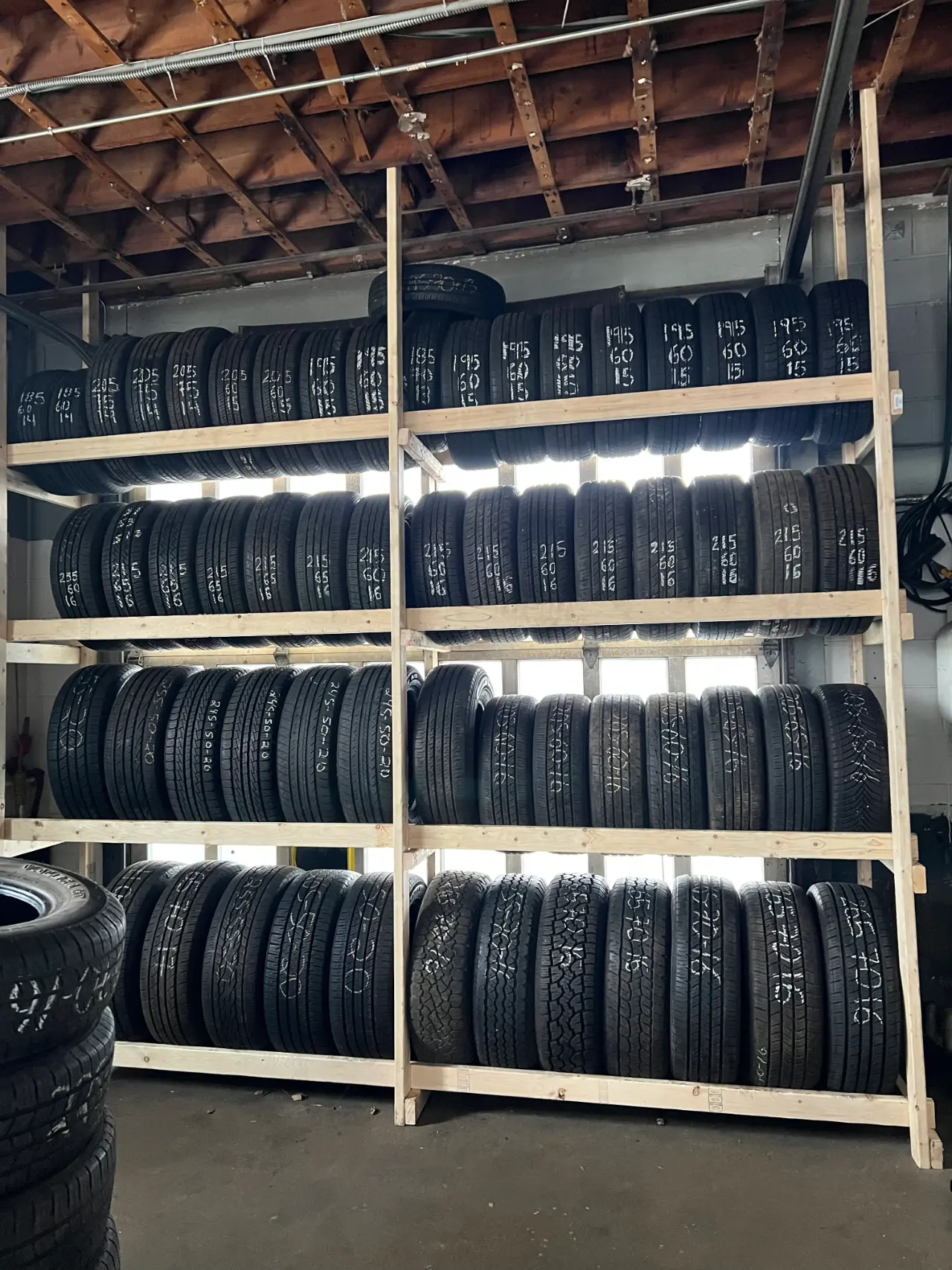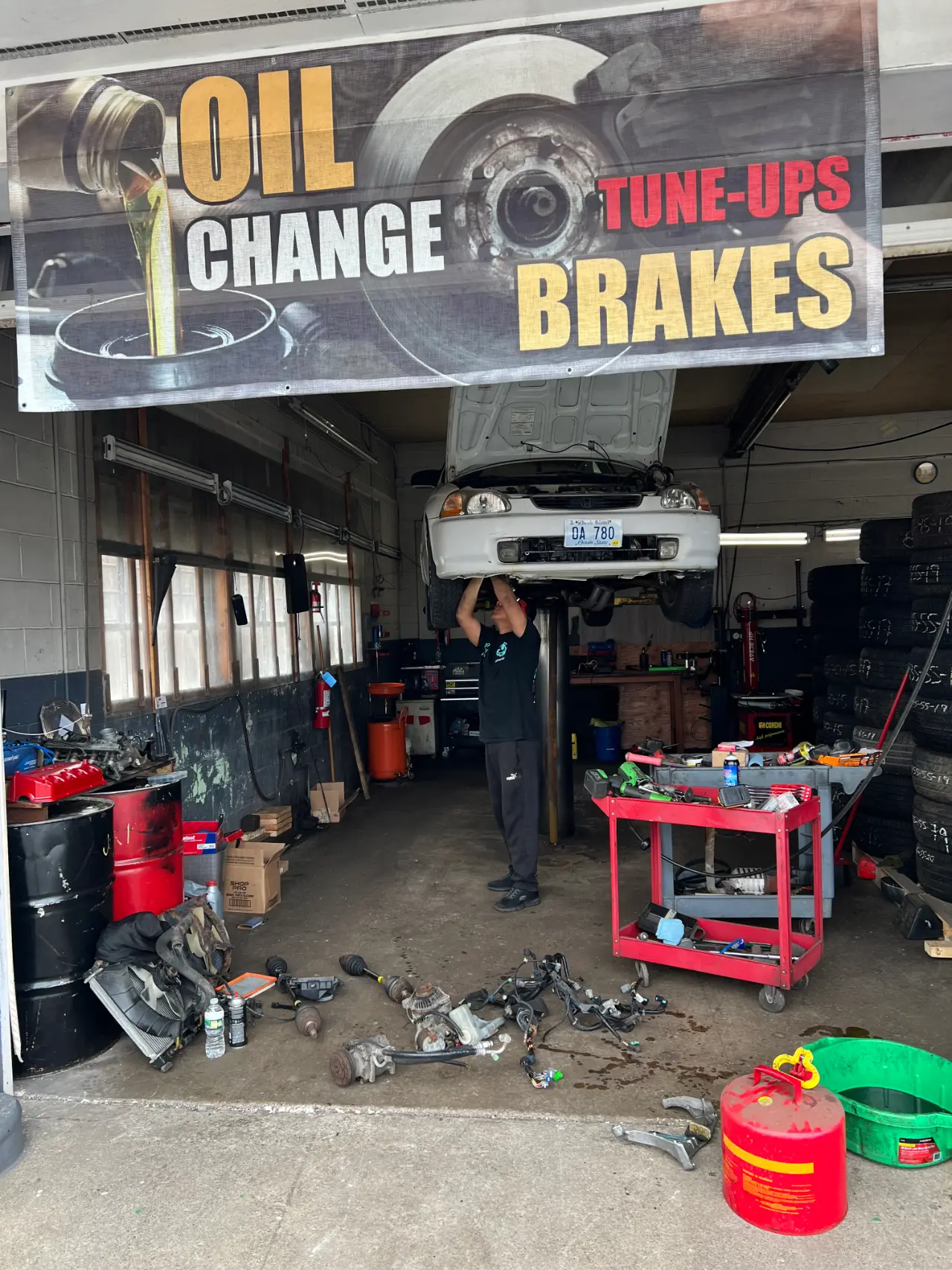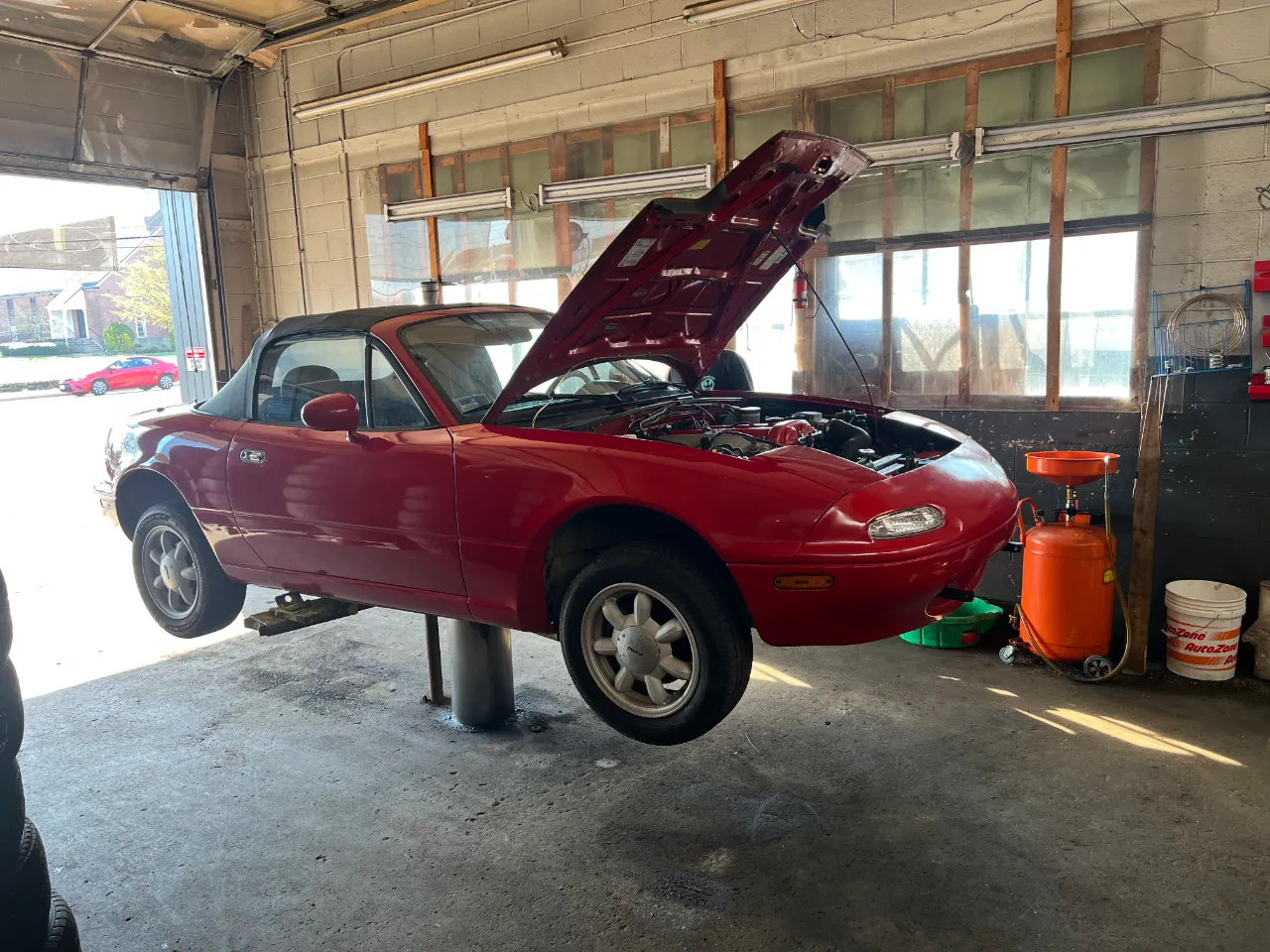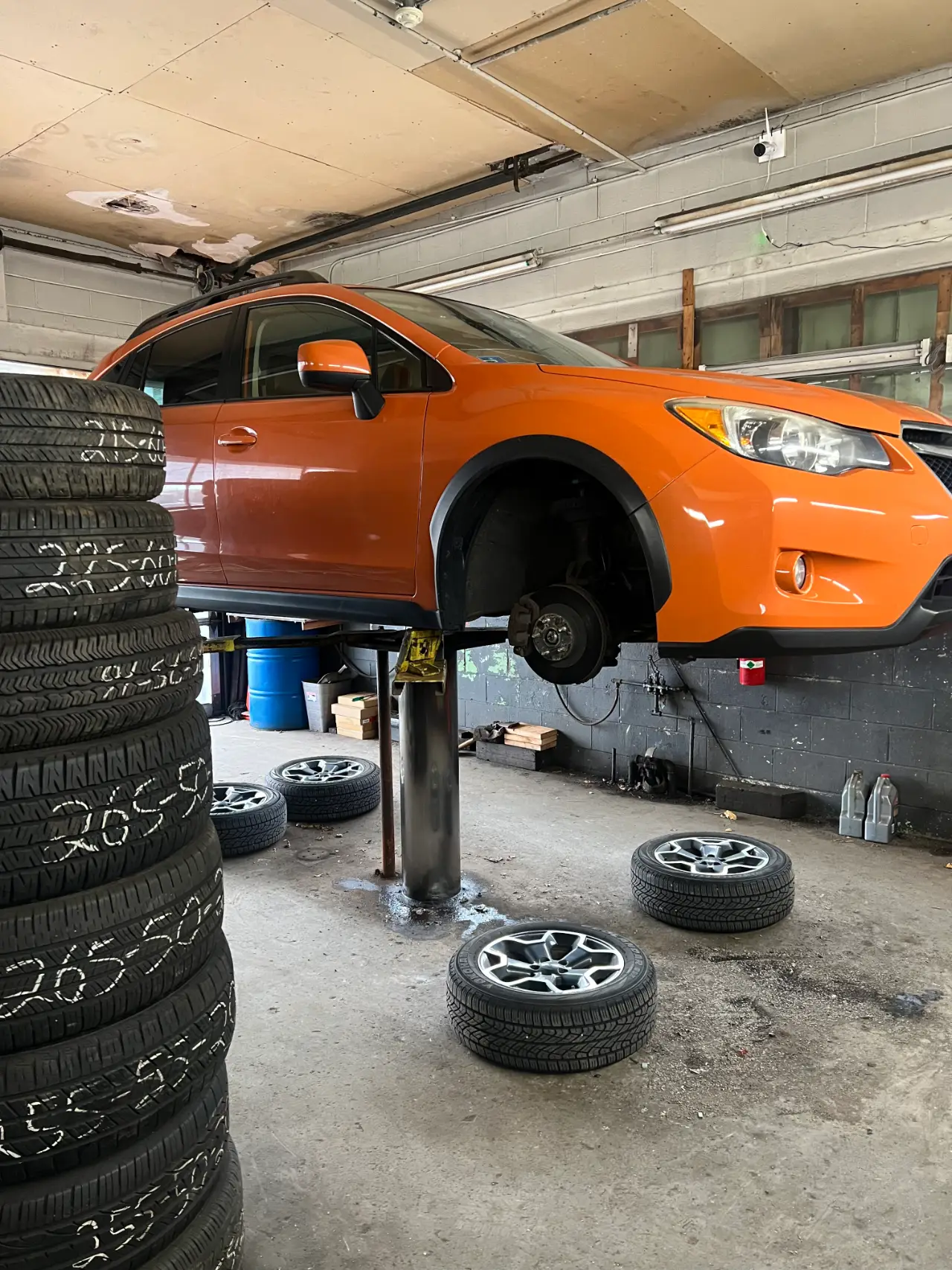
You picked up a nail, found a slow leak, or felt a sudden flat, and now you're facing a common question: can this tire be repaired, or do you need a new one? It's an important call, because the answer affects both your wallet and your safety. A repairable tire is a quick, affordable fix, while the wrong repair on a damaged tire can fail at the worst possible moment. The good news is that there are clear rules technicians use to decide, based on where the damage is and how bad it is. Knowing those rules helps you understand your options instead of just taking a guess. As a tire shop in Rhode Island, we make this call carefully every day, and safety always comes first. In this guide, we'll explain when a tire can be safely repaired, when it needs full replacement, the real risks of driving on a damaged tire, and how to get an honest assessment before you spend money either way.
When a Tire Can Be Safely Repaired
Not every damaged tire needs to be thrown away. Many can be safely repaired, and the location of the damage is the biggest factor. A puncture in the tread area, the flat part that meets the road, is usually repairable if it's small, generally a quarter inch or less. Nails and screws in the tread are the classic repairable case. A proper repair means removing the tire, patching it from the inside, and plugging the hole, not just a quick external plug. The tire also needs enough tread left to be worth fixing. When the damage is small, in the tread, and the tire is otherwise in good shape, a repair is safe, affordable, and gets you back on the road fast. That's the outcome we aim for whenever it's genuinely safe to do so.
When You Need a Full Replacement
Some tire damage can't be safely repaired, no matter how much you'd like to save money. Damage to the sidewall, the smooth outer wall of the tire, is not repairable, since that area flexes constantly and any patch there can fail. Large punctures, holes bigger than about a quarter inch, are also too big to fix safely. If you have two punctures close together, or a puncture at an angle, replacement is usually the safe answer. A tire that ran flat or low for a while may have hidden internal damage even if the hole looks small, which means it needs replacing. And a tire with worn-out tread isn't worth repairing at all. In these cases, a new tire isn't an upsell, it's the only safe choice, and a good shop will tell you honestly which situation you're in.
The Risks of Driving on a Damaged Tire
It's tempting to keep driving on a damaged tire, especially if it's only losing air slowly. That's a risk that isn't worth taking. A weakened tire can fail suddenly at speed, and a blowout on the highway is dangerous for you and everyone around you. Driving on a low or flat tire also destroys the tire from the inside, turning a repairable problem into a guaranteed replacement. It puts extra strain on your wheel and suspension too. Even a slow leak means the damage is real and getting worse every mile. The safe move is to check a damaged tire quickly, not to hope it holds. Catching it early often means the difference between a simple repair and buying a new tire, and it keeps a small problem from becoming a roadside emergency.
Getting an Honest Assessment in Rhode Island
The only way to know for sure whether your tire can be repaired is to have it inspected. A technician removes the tire, checks the damage from the inside, and looks at the location, size, tread, and overall condition. That inside look matters, because damage that seems minor on the outside can be serious within. From there, you get a straight answer: repair or replace, and why. A trustworthy shop won't push a new tire when a safe repair will do, and won't repair a tire that isn't safe to fix. At our Warren shop, we inspect the tire, explain what we find in plain language, and give you honest options with clear pricing. If you've picked up a nail or noticed a leak, bring it in and we'll tell you exactly where you stand.