Your brakes are the one system in your car you can't afford to gamble with. Tires, oil, and belts all matter, but when you press the brake pedal, you need your car to stop, every single time. The challenge is that brakes wear out gradually. There's no set date on the calendar when they fail. Instead, they give you warning signs that build slowly, and it's easy to get used to them until the day stopping takes longer than it should. The good news is that your brakes almost always tell you when they need attention. Strange sounds, new sensations in the pedal, and changes in how the car stops are all messages worth hearing. In this guide, we'll cover the warning sounds, how brake pads actually wear down, the other signals drivers miss, and how often you should have your brakes inspected. Here's what every Rhode Island driver should know before the next stop sign.
Warning Sounds: Squealing, Grinding, and Scraping
Your ears are the first line of defense when it comes to brake wear. A high-pitched squeal when you brake is usually the built-in wear indicator doing its job. It's a small metal tab designed to make noise when your pads get thin, and it means it's time to plan a brake service soon. Grinding is more serious. That sound usually means the pads are worn through and metal is pressing on metal, which damages your rotors and raises the repair cost quickly. A scraping or growling noise falls in the same category. If you hear grinding, don't wait, since every stop is doing more damage. The difference between squealing and grinding can be the difference between replacing pads and replacing pads plus rotors, so get an inspection at the first sound.
How Brake Pads Wear Down Over Time
Brake pads work by pressing against spinning rotors to slow your wheels, and every stop wears away a little of the pad material. New pads typically start with 10 to 12 millimeters of friction material. Once they wear down to around 3 millimeters, they're due for replacement. How fast that happens depends on how and where you drive. Stop-and-go traffic, hilly roads, towing, and hard braking all shorten pad life. Highway miles are much easier on brakes than city miles. That's why two identical cars can need brake service at very different mileages. Rather than guessing by miles alone, the smart approach is regular inspections that measure actual pad thickness. That way you replace pads when they need it, not too early and never dangerously late.
Other Signs: Soft Pedal, Vibration, and Pulling
Not every brake warning makes noise. Pay attention to how the pedal feels and how the car behaves when stopping. A soft or spongy pedal that sinks farther than usual can mean air in the brake lines or a fluid problem, and it deserves immediate attention. A vibration or pulsing through the pedal or steering wheel when braking usually points to warped rotors. If the car pulls to one side when you brake, one caliper may be sticking or one side may be wearing faster than the other. Longer stopping distances are the quietest and most dangerous sign of all, because you adapt without noticing. Any of these symptoms means your braking system isn't working at full strength, and each one is easier and cheaper to fix early.
How Often Should Brakes Be Inspected?
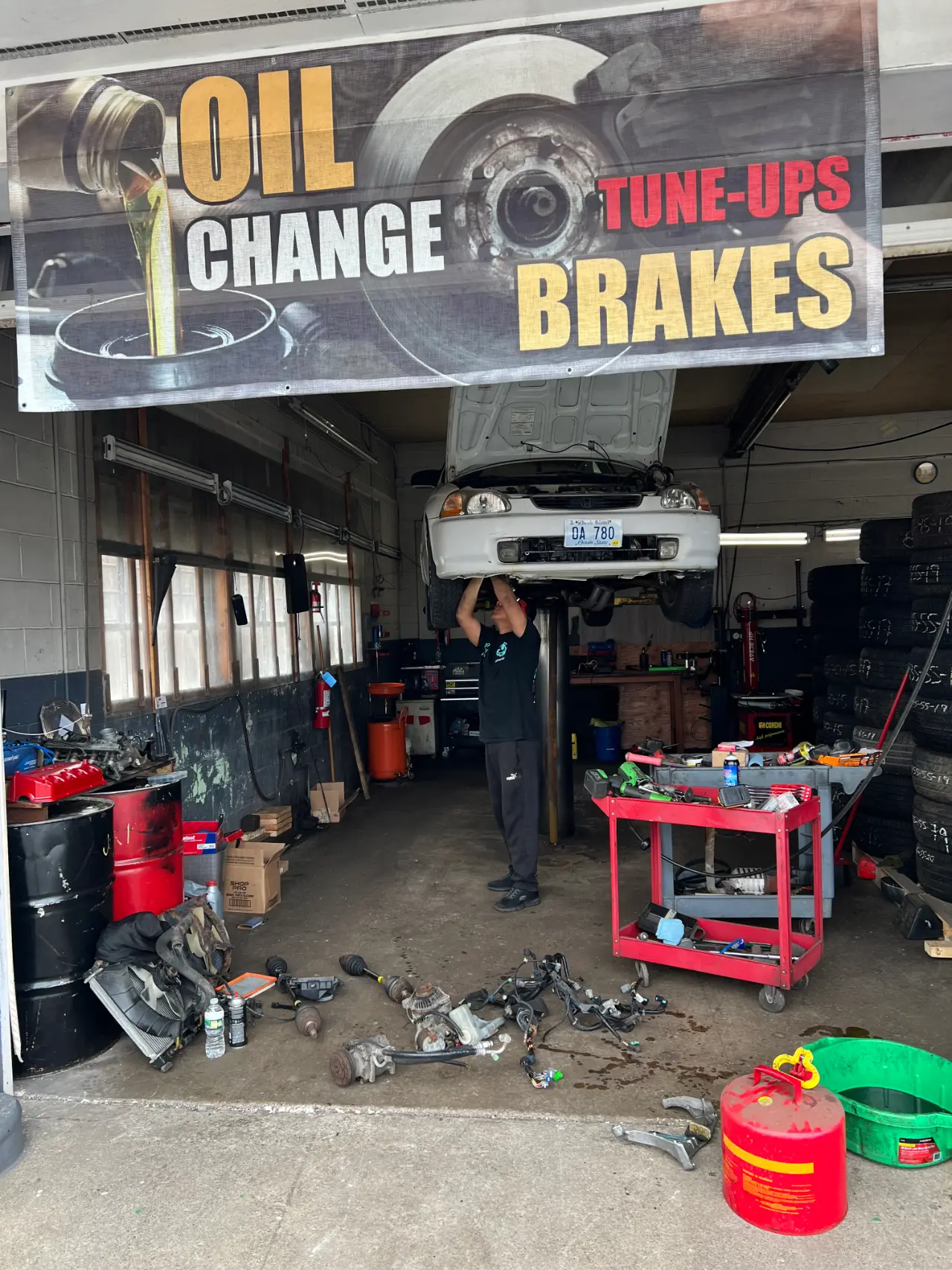
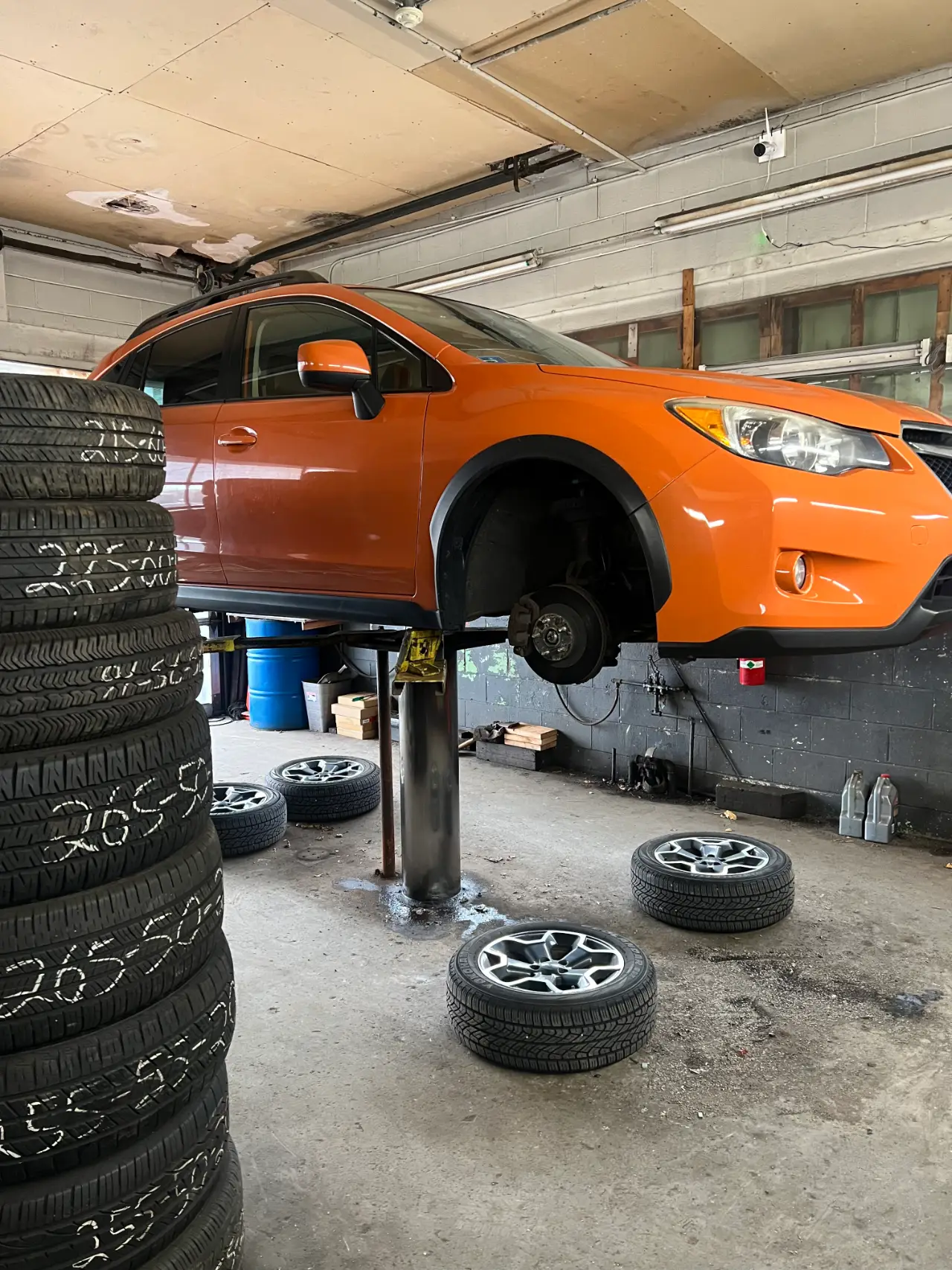
A good rule of thumb is to have your brakes inspected at least once a year, or every time you rotate your tires, since the wheels are already off. If you drive mostly in city traffic, do frequent short trips, or notice any of the warning signs above, check more often. An inspection is quick, and it measures pad thickness, checks rotor condition, looks at brake lines and fluid, and confirms the calipers move freely. At our Warren shop, we inspect the full brake system and show you exactly what we find, with clear, upfront pricing before any work begins. If your brakes are squealing, grinding, vibrating, or just feel different, don't wait for them to get worse. A timely brake inspection keeps your stops short and your repair bills small.