Ask five people how often you should change your oil and you'll probably get five different answers. Every 3,000 miles? Every 5,000? Twice a year? The confusion is understandable, since the rules have changed as engines and oils have improved. Getting this right matters more than most drivers realize. Oil is what keeps your engine's moving parts lubricated, cool, and clean. Wait too long between changes and the oil breaks down, sludge builds up, and engine wear speeds up quietly until something expensive fails. Change it too often and you're simply spending money you don't need to spend. The right answer depends on your vehicle, the type of oil you use, and how you drive. In this guide, we'll break down the old rules versus today's recommendations, the difference between conventional and synthetic oil, and the warning signs that your car is overdue. Here's what Rhode Island drivers should actually know about oil changes.
The Old 3,000-Mile Rule vs. Today's Engines
For decades, the standard advice was to change your oil every 3,000 miles. That rule made sense for older engines and older oil formulas, but it's outdated for most cars on the road today. Modern engines are built with tighter tolerances, and today's oils last longer and protect better. Most manufacturers now recommend oil changes somewhere between 5,000 and 7,500 miles for conventional oil, and some vehicles running full synthetic can go 10,000 miles or more. The best starting point is your owner's manual, which lists the interval your engine was designed for. That said, those numbers assume normal driving conditions. Lots of short trips, stop-and-go traffic, towing, or extreme temperatures count as severe conditions, and they shorten the interval. If that sounds like your driving, plan to change your oil earlier than the maximum listed.
Conventional vs. Synthetic Oil
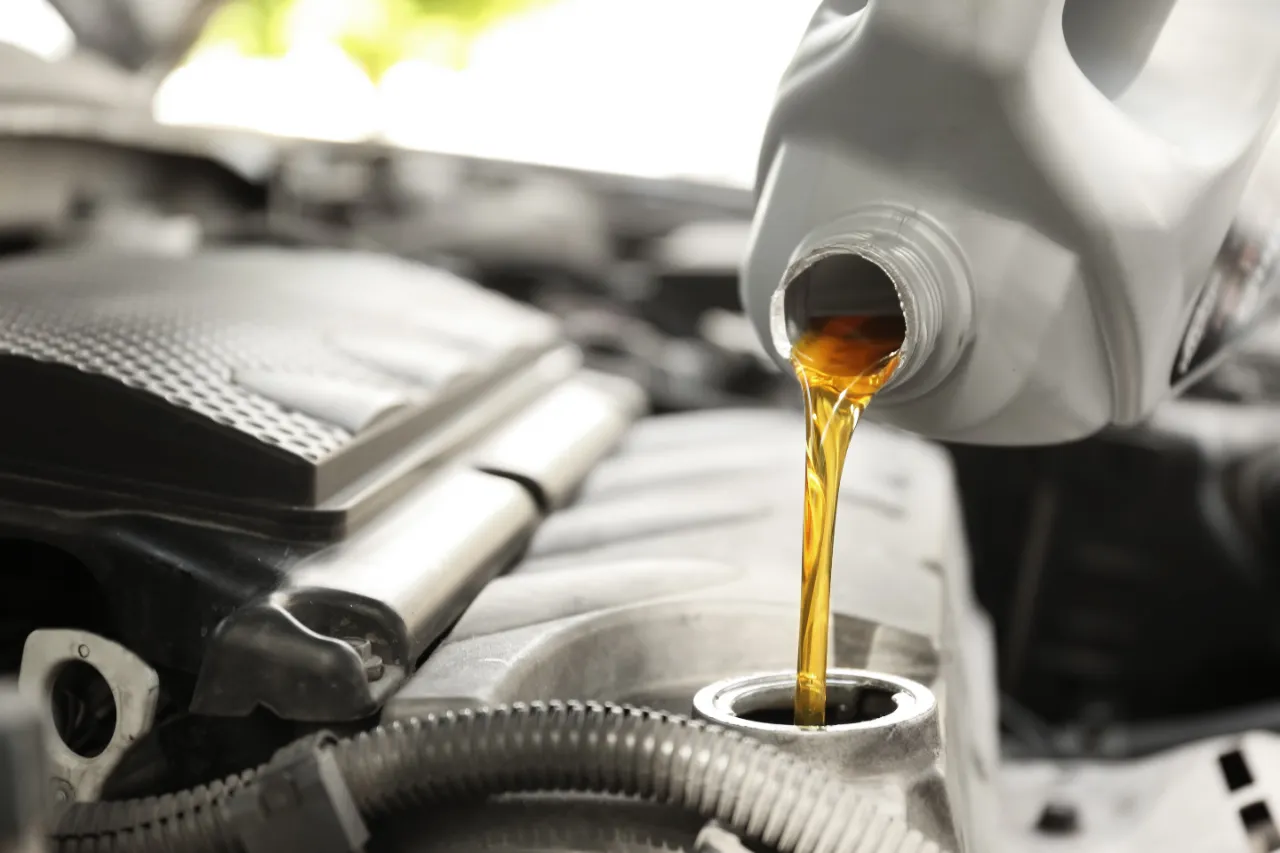
The type of oil in your engine makes a real difference in how often you need a change. Conventional oil is refined from crude oil and does its job well, but it breaks down faster, especially under heat and hard driving. It's the budget-friendly option, with shorter intervals, usually around 5,000 miles. Full synthetic oil is engineered for consistency and durability. It flows better in cold weather, resists breakdown in heat, and keeps engines cleaner over time. That's why synthetic intervals often stretch to 7,500 or even 10,000 miles. Synthetic blends sit in the middle on both price and protection. Many newer vehicles require synthetic oil, so check your manual before choosing. If you're unsure which oil fits your car and your budget, ask at your next visit, and we'll give you a straight recommendation with no upsell.
Signs Your Car Needs an Oil Change Now
Your car usually tells you when the oil is past due, if you know what to look for. Dark, gritty oil on the dipstick is the classic sign, since fresh oil is amber and smooth. A louder engine, ticking, or knocking can mean the oil is too worn to cushion the moving parts properly. An oil change or check engine light is an obvious signal you shouldn't ignore. A burnt oil smell inside the cabin can point to a leak hitting hot engine parts. Even exhaust that looks darker than usual can be oil related. If you've lost track of your last change, that's reason enough to get it checked. Running low or degraded oil for even a few thousand extra miles accelerates wear you can't undo. When in doubt, check the dipstick, and let a technician confirm.
Why Regular Oil Changes Save You Money
Skipping oil changes feels like saving money, right up until it isn't. Old oil turns to sludge, clogs small passages, and forces the engine to work harder. That shows up first as worse gas mileage, then as accelerated wear on parts that cost far more than any oil change. In the worst cases, neglected oil leads to overheating or complete engine failure, a repair bill that can total more than an older car is worth. Regular oil changes also give a technician a chance to spot small problems early, like a leak, a worn belt, or low fluids, before they become breakdowns. Think of an oil change as cheap insurance for the most expensive part of your car. A quick service on schedule keeps your engine running smoothly for years, and it's one of the easiest maintenance habits to keep.